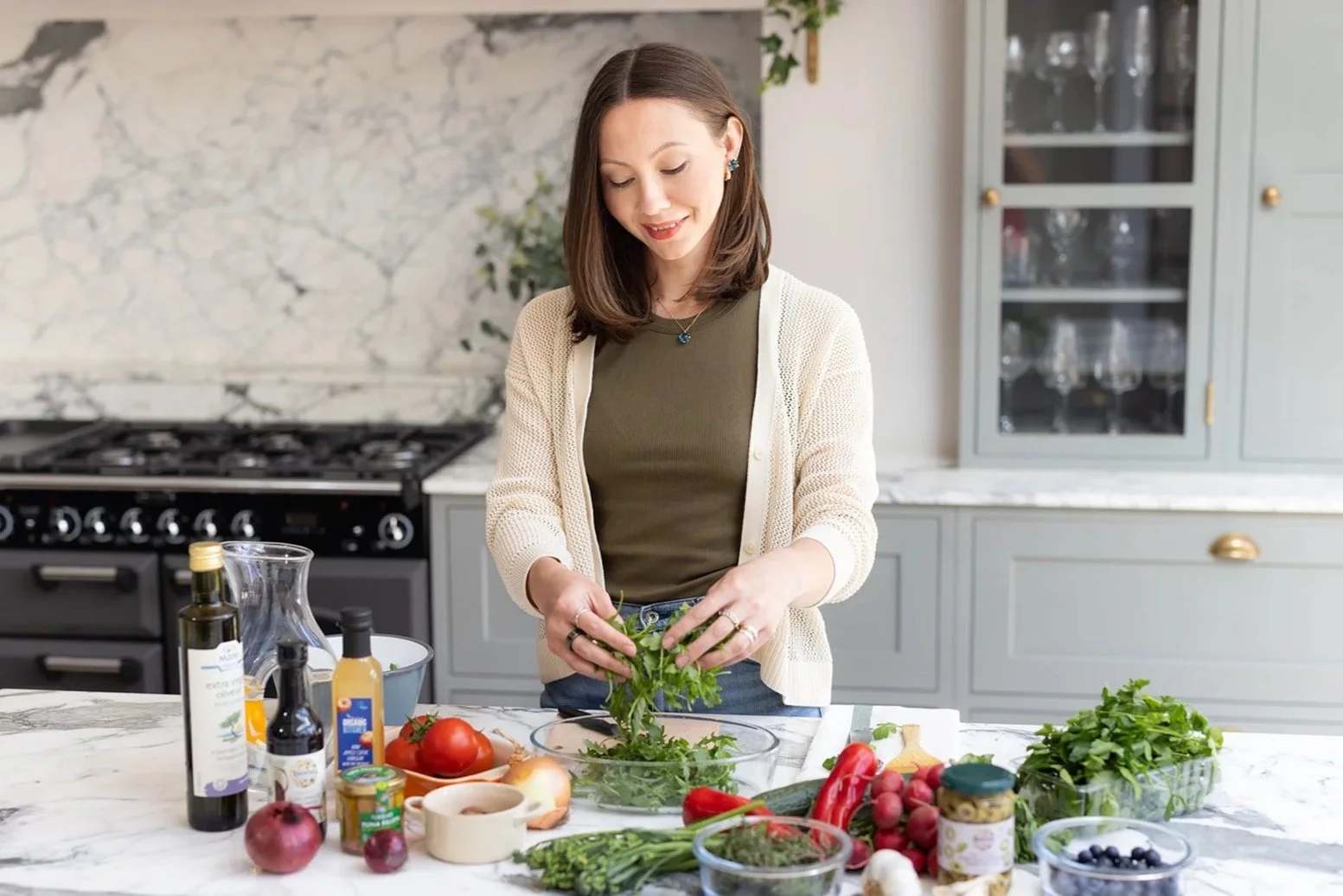
From Restriction to Creativity: How Art Shaped My Relationship with Food
I studied art for over ten years, and I genuinely believe that art education is something everyone should experience — yes, I’m biased, but for a good reason.
Art didn’t just teach me how to draw or sculpt. It trained me to observe, to experiment, to tolerate uncertainty, and to stay curious. It taught me how to work with constraints, how to fail and try again, how to hold a vision and patiently move towards it. Most importantly, it helped me see beauty, complexity, and variety in the world, and to feel more free, courageous, and understood within it.
Those skills turned out to be surprisingly useful far beyond the studio. Especially in the kitchen.
When I first discovered food sensitivities, I was confused and overwhelmed. The initial guidance I received was limited, and although I felt some improvement after removing certain foods, I didn’t yet understand the full picture of gut health, immune responses, or proper testing.
So I did what many people do when they begin learning about food and health — I fell into a rabbit hole.
Over time, my diet became increasingly restrictive. I removed gluten, dairy, eggs, soy, oats, bananas, all grains, and most animal products. I cooked everything from scratch, read every label, and felt constantly vigilant around food. Social eating became nearly impossible. Food — once joyful — felt loaded and heavy.
And yet… I did feel better. So I committed fully.
Creativity became my lifeline during that period.
Instead of collapsing into frustration, I approached restriction as a creative challenge. I explored ingredients I had never heard of. I experimented, failed, adapted, and tried again. I played with textures, flavours, colours, and combinations. Even within limitation, I found ways to expand.
Looking back, some elimination was necessary. Strong reactions do require full avoidance, at least temporarily, to allow the gut and immune system to calm. But without the right structure and support, restriction can quietly turn into rigidity.
It took deeper learning, the right support, and time for me to move from confusion and extremes towards clarity. Eventually, I began reintroducing foods more thoughtfully. My approach softened. My confidence grew.
But creativity had already done its work — it had protected my relationship with food long before balance returned.
As my nutritional therapy studies later deepened, I learned that my extreme approach wasn’t nourishing me properly. Testing showed I was malnourished and struggling with digestion, and I slowly began reintroducing foods with the right support. That phase mattered — but it’s not the heart of this story.
The heart of this story is that creativity carried me through every stage.
Even now, with a much broader diet, I still cook the same way I always have: experimentally, visually, intuitively. I think in colour. I ask myself how I can add diversity rather than what I need to remove. On average, I eat over 50 different plant foods per week and aim to include all seven colours regularly — not out of obsession, but because it feels natural and joyful.
Gluten and dairy are likely lifelong exclusions for me, and that’s okay. I don’t fixate on what’s missing. I focus on the abundance that’s available — and there is so much of it.
Art taught me that beauty isn’t about perfection. It’s about attention, presence, and relationship. When we bring those qualities to food, eating becomes more than nourishment — it becomes an act of creativity, care, and self-respect.
And perhaps this is where the story widens.
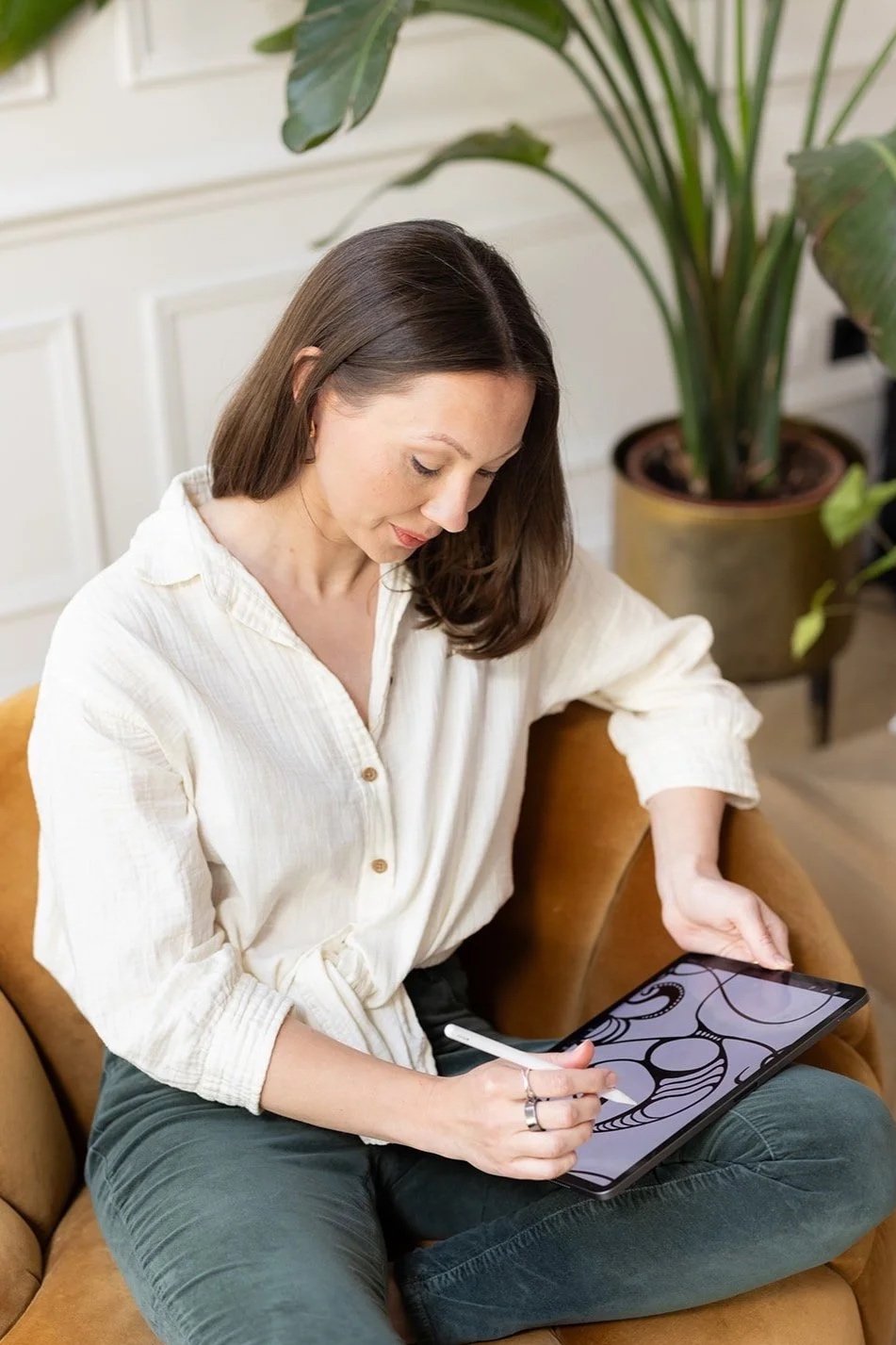
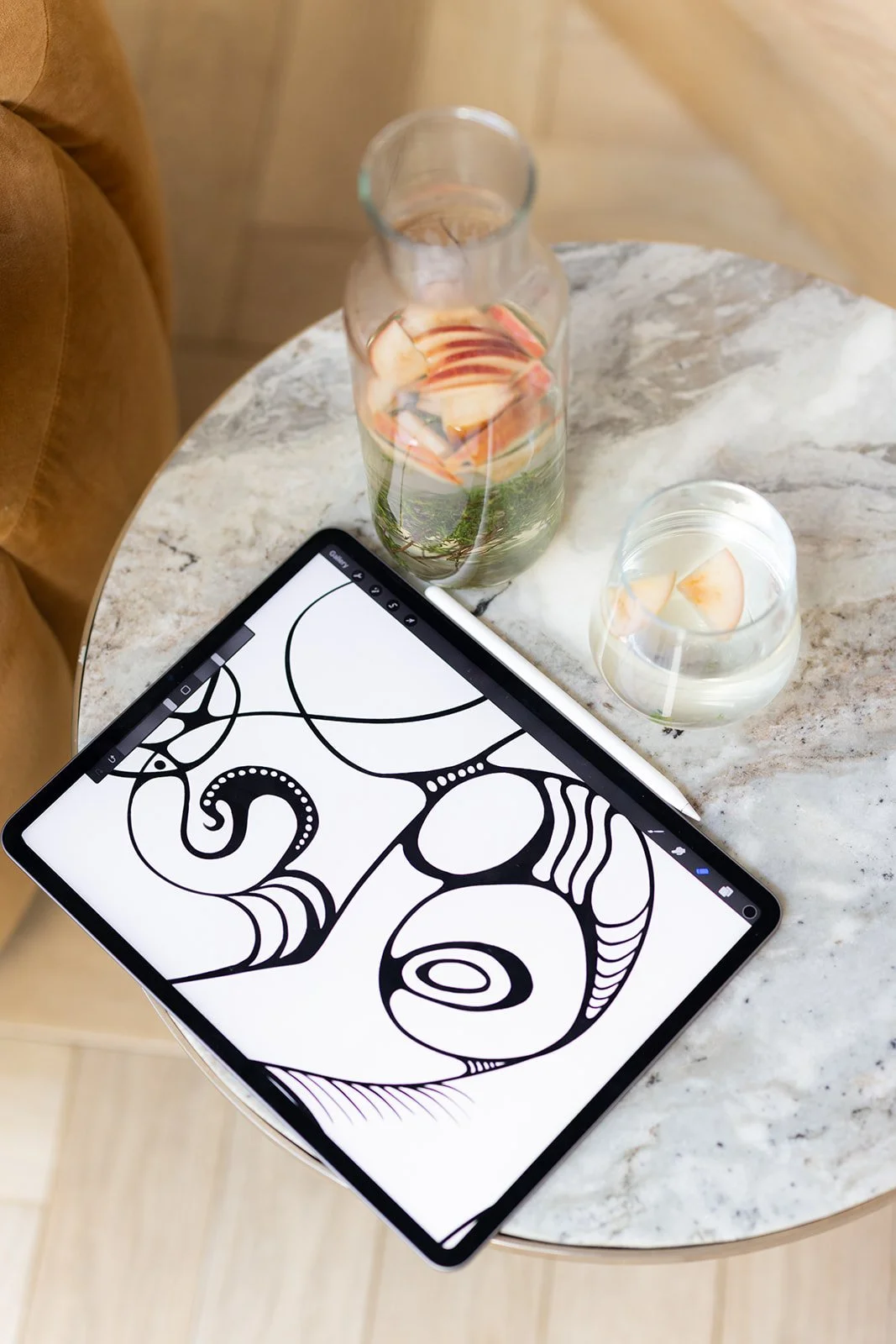
Creativity is one of the core facets that make us human.
I truly believe that every single person is creative. We only differ in how that creativity expresses itself — and whether we practise it or not.
Creativity isn’t reserved for artists, painters, or musicians. It shows up in how we solve problems, how we decorate our homes, how we dress, how we arrange flowers, and how we season a soup. It lives in adaptation, curiosity, experimentation, and joy.
It is a skill.
The more you use it, the stronger it becomes — and over time, it becomes second nature in everyday life.
From a neurological perspective, this makes sense. When we engage in creative acts, we stimulate multiple brain networks at once — imagination, executive function, sensory processing, and emotional regulation. We strengthen neural pathways through novelty and experimentation. In other words, creativity supports neuroplasticity — the brain’s ability to adapt, rewire, and grow.
When we stop practising creativity, we can become rigid. We start looking for rules instead of possibilities. We focus on what we can’t do rather than what we could create instead. That rigidity isn’t just psychological — it can become neurological too. The brain loves efficiency, and without novelty, it defaults to familiar patterns.
But when we engage creativity — even in small daily acts — we signal to the brain that exploration is safe. We build cognitive flexibility. We nurture resilience. We quite literally train ourselves to adapt.
For me, the kitchen is one of the most intimate places where creativity expresses itself. It is where colour meets nourishment. Where limitation becomes innovation. Where health becomes art and time in the kitchen becomes an act of self-care, creativity, joy, and a kind of sacred mindfulness.
Creativity taught me to look at the world not as a list of prohibitions, but as a landscape of possibilities. The same is true in the kitchen. When we focus on colour, diversity, flavour, and cultural discovery, we move from a mindset of restriction to one of expansion.
There is so much to explore. So many plants. So many traditions. So many combinations that have yet to be tasted.
And perhaps that is the deeper lesson: health is not about narrowing life down — it is about learning how to expand wisely within it.